

Climate Change and Public Health Emergencies
Responding to rising heat in workplaces and homes of low income workers

“Children in crises: Disasters, the COVID-19 pandemic, and climate change.”

Climate change, migration, and health: Development of a case-based workshop for immigrant and refugee health professionals
Authors: Tess Wiskel, MD, MPH and Gaurab Basu, MD, MPH

A Hot Topic: A Climate-Focused Track for Infectious Disease Fellowship
Authors: Satchit Balsari, MD, MPH and Caleb Dresser, MD, MPH

Global Community Organizing and Advocacy for Climate and Health (Global COACH) Scholars
Location: In-person immersion in Athens and Nafplio, Greece, from March 28, 2026 to April 3, 2026. All other sessions will be held monthly online on Zoom from May-October 2026.

Hero Pagination
About the program
Our related educational outputs include a compendium of case studies in climate and disaster responses used in ID205, Societal Response to Disasters, now taught for nearly 30 years at Harvard T.H. Chan School of Public Health; the two-year degree granting fellowship in Climate Change and Human Health hosted in collaboration with Harvard Chan’s Center for Climate, Health, and the Global Environment (C-CHANGE) and Beth Israel Deaconess Medical Center; and the course Global Community Organizing and Advocacy for Climate and Health (Global COACH) Scholars, designed for health professionals and affiliated community partners. Centered around the impacts of climate change on health, this hybrid course led by Dr. Gaurab Basu, MD, MPH, aims to build a knowledge base of scientific evidence that can be useful in health care and community organizing. In the first cohort of applicants, more than 2,000 people applied to fill 30 spots.
Climate change will intensify the cascading crises of the 21st century where natural disasters, political instability, economic insecurity, and displacement will imperil the already precarious lives of millions of children around the world. The FXB Center, through its many pillars of research expertise over the years is well positioned to lead interdisciplinary and rights-based approaches to addressing these complex intractable challenges of our times.
Dr. Balsari is Associate Professor in Emergency Medicine at Harvard Medical School and Beth Israel Deaconess Medical Center; and in the department of Global Health and Population at the Harvard T.H. Chan School of Public Health. His research and teaching has advanced the health and rights of populations affected by complex humanitarian emergencies around the world.
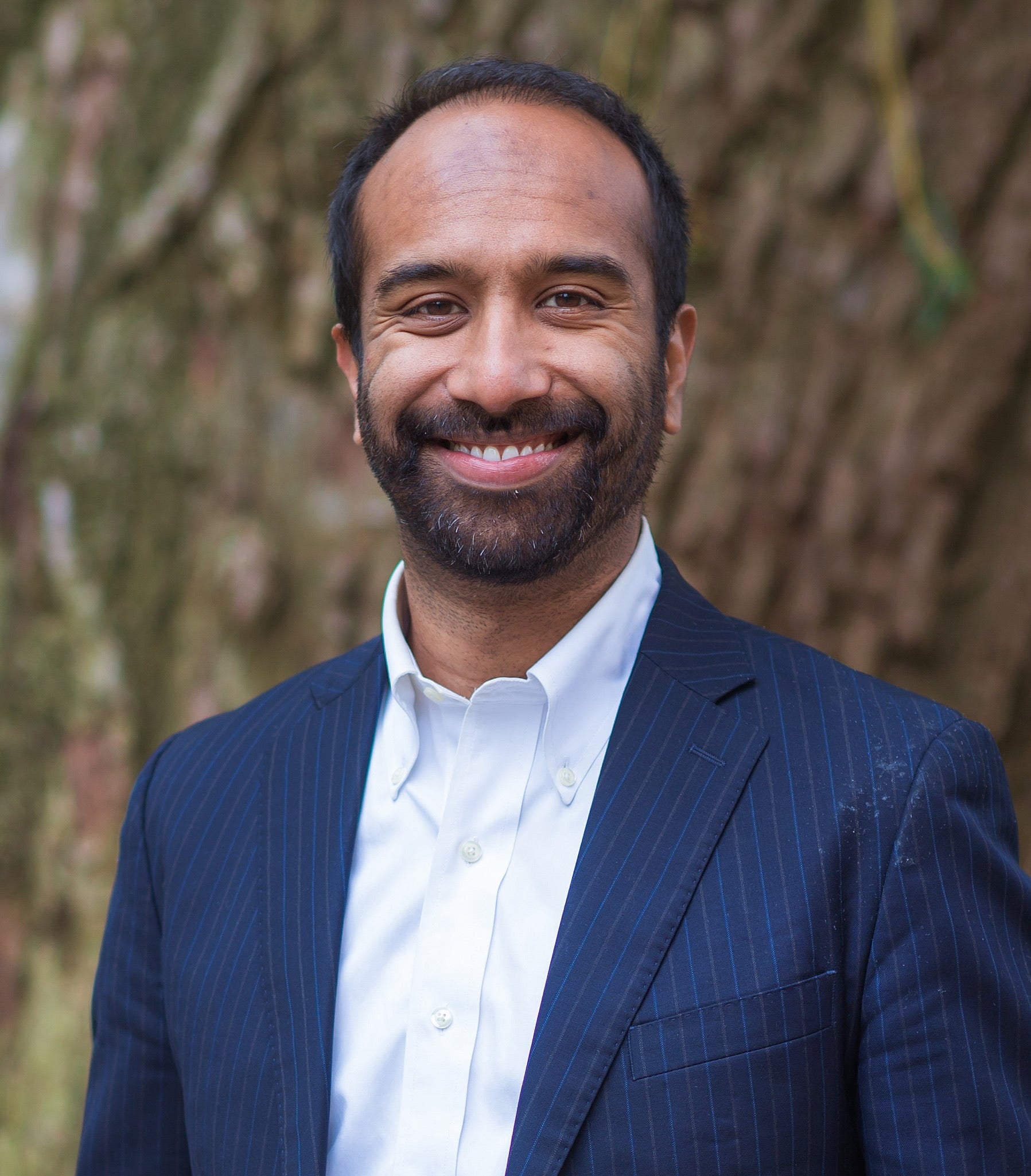
Dr. Basu’s work focuses on the intersection of climate change, global health equity, human rights, medical education, and public policy. He is an Assistant Professor at Brigham and Women’s Hospital, Harvard Medical School (HMS), and the Harvard T.H. Chan School of Public Health, and has led the way in adding climate change and health as a theme in the M.D. curriculum at HMS.
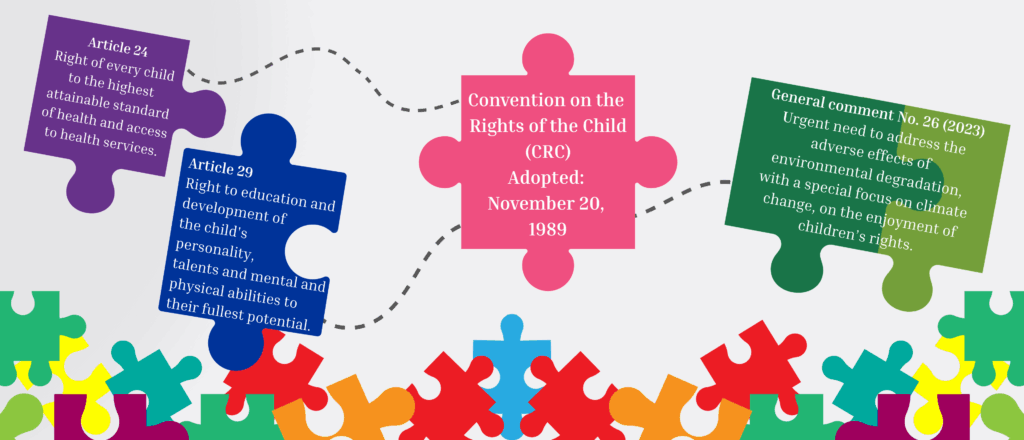
The Convention on the Rights of the Child (CRC), which was adopted by the United Nations General Assembly resolution 44/25 on November 20, 1989, serve as a crosscutting framework for our work. Articles of particular relevance to FXB’s work on climate change are:
Meet the faculty lead

Balsari Lab
CrisisReady
Through an international collaboration of researchers, technology companies, nonprofits and policy makers the CrisisReady team develops scalable expertise in Data Readiness, Methods Readiness, and Translational Readiness, by securing data pipelines that provide actionable analyses to meet pre-articulated needs defined by policy makers and response agencies.
Watch a video about the CrisisReady Phoenix Heat Emergency Simulation
Tri-institute Climate and Human Health Physician Fellowship
Recent fellows, and current FXB affiliates, include Caleb Dresser, MD, MPH, Catharina Giudice, MD, and Tess Wiskel, MD, MPH.
Meet the faculty lead
Leading the way in integrating climate change and health in medical education
Dr. Basu has developed and evaluated numerous innovative health equity curricular programs. He received the inaugural HMS Equity, Social Justice, and Advocacy Faculty Award and the HMS Charles McCabe Faculty Prize in Excellence. He has been an HMS Curtis Prout Academy Fellow and a Harvard Macy Scholar.
Programmatic areas
Global Community Organizing and Advocacy for Climate and Health (Global COACH) Scholars
Increasingly, health professionals recognize that mitigating and responding to the impacts of climate change is critical to improving the health of their patients. Health professionals have been shown to be among the most effective, trustworthy messengers for climate action. But to be effective agents of change they must be empowered with skills to gather and organize others, have an ability to work with communities, and possess a strong sense of self-efficacy and purpose.
This course aims to create a vibrant educational space and community to develop a global cadre of health professionals who are inspired and enabled to develop and advance climate solutions. The power to accomplish this will come from learning about the health equity implications of climate change and through developing durable community organizing and leadership practices. There will be focus on the responsibility we have to protect the health of children and future generations.
Format: Hybrid. After a weeklong in-person immersion, scholars attend monthly sessions on Zoom for six months.
Cost of participation: No tuition fees.
Who should apply: This program is open to any health professionals worldwide who provide direct patient care (physicians, nurses, nurse practitioners, pharmacists, social workers, PAs, psychologists) and to community partners working with health professionals (public health professional, non-profit leaders etc.). Applications will be accepted by groups of three people who are already working together on climate initiatives.
Applications for the 2026 cohort have now closed.
Recent Publications
The Lancet Commission on a citizen-centred health system for India, The Lancet, January 20, Satchit Balsari (Co-Author)
Evaluating the impact of a longitudinal, integrated climate change, health, and environment curriculum in undergraduate medical training at Harvard Medical School, PLOS Climate, December 1, Gaurab Basu (Co-Author)
Responding to rising heat in workplaces and homes of low income workers, BMJ, November 4, Tess Wiskel, Jennifer Leaning, Satchit Balsari (Co-Authors)
Impact of Daily Maximum Temperature on Emergency Department Arrivals and Acuity Levels, Western Journal of Emergency Medicine: Integrating Emergency Care with Population Health, September 25, Catharina Giudice, Caleb Dresser (Co-Authors)
Perspectives and Action on Climate-Related Health Impacts by Staff at Safety Net Clinics and Health Centers, Journal of Health Care for the Poor and Underserved, August 2025, Caleb Dresser (Co-Author)
Integration of environmental data into electronic health records for clinical and public health decision making: A viewpoint on expanding development in the United States, Journal of Medical Internet Research, August 6, Caleb Dresser (Co-Author)
Weather information improves a predictive model of emergency department arrivals, Internal and Emergency Medicine, July 31, Caleb Dresser (Co-Author)
Strengthening healthcare system resilience: a comprehensive framework for tropical cyclone preparedness and response, The Lancet Regional Health – Americas, July 28, Caleb Dresser (Co-Author)
Implementation of a heat alert system for clinical staff in an ambulatory setting: A pilot project, The Journal of Climate Change and Health, July 22, Caleb Dresser (Co-Author)
Inclusion of children and youth in the Intergovernmental Panel on Climate Change Assessment Reports (AR1-AR6), Nature Communications, July 4, Elizabeth Donger (Co-Author)
Training clinicians to be organizers: Expanding professional identities through a year-long Climate Health Organizing Fellowship, Social Science & Medicine, May 29, Gaurab Basu (Co-Author)
Health Care, Cities, and Climate Change: Challenges and Opportunities, Journal of City Climate Policy and Economy, May 27, Caleb Dresser (Co-Author)
Bringing climate health conversations to frontline clinics: A qualitative post-intervention assessment of utilization of the Climate Resilience for Frontline Clinics Toolkit, The Journal of Climate Change and Health, May 1, Caleb Dresser (Co-Author)
Climate change, migration, and health: Development of a case-based workshop for immigrant and refugee health professionals, The Journal of Climate Change and Health, April 19, Tess Wiskel, Gaurab Basu (Co-Authors)
Fine Particulate Matter From 2020 California Wildfires and Mental Health–Related Emergency Department Visits, JAMA Network Open, April 4, Caleb Dresser (Co-Author)
A Hot Topic: A Climate-Focused Track for Infectious Disease Fellowship, Open Forum Infectious Diseases, March 6, Satchit Balsari, Caleb Dresser (Co-Authors)
“Children in crises: Disasters, the COVID-19 pandemic, and climate change.” Susan Bissell, A.K. Shiva Kumar (Eds.). Protecting the World’s Children: Public Health, Human Rights, Capabilities, Oxford University Press, 2025, Satchit Balsari and Jennifer Leaning (Chapter Co-Authors in book co-edited by Susan Bissell)
Proximity of Wildfires to Inpatient Healthcare Facilities in California, 2001-2023, medRxiv, February 18, Caleb Dresser, Satchit Balsari (Co-Authors)
Frontline Clinic Administrator Perspectives on Extreme Weather Events, Clinic Operations, and Climate Resilience, The Journal of Ambulatory Care Management, January 20, Tess Wiskel, Caleb Dresser (Co-Authors)
Climate Policy Positions of Federal Legislators Supported by the American Medical Association Political Action Committee, Journal of General Internal Medicine, January 14, Gaurab Basu (Co-Author)
Recent Press
MPH student takes an interdisciplinary approach to climate-related health inequities (Satchit Balsari mentioned, Harvard T.H. Chan School of Public Health News, January 22, 2026)
Health threats surge as scientists warn of edging toward irreversible climate damage (Catharina Giudice quoted, American Public Health Association News, November 20, 2025)
Women Toiling in India’s Insufferable Heat Face Mounting Toll on Health (Satchit Balsari quoted, The New York Times, November 16, 2025)
Protecting workers from extreme heat in low- and middle-income countries (Jennifer Leaning, Satchit Balsari mentioned, Harvard T.H. Chan School of Public Health News, November 13, 2025)
At least 170 US hospitals face major flood risk. Experts say Trump is making it worse. (Caleb Dresser quoted, CNN, October 5, 2025)
New cohort of Scholarly Working Groups to tackle pressing global health challenges (Satchit Balsari mentioned, The Harvard Gazette, September 25, 2025)
Confronting extreme heat, cities prepare for a silent killer (Satchit Balsari mentioned, The Harvard Gazette, September 25, 2025)
Confronting Extreme Heat, Cities Prepare for a Silent Killer (Satchit Balsari mentioned, Harvard University Bloomberg Center for Cities, September 23, 2025)
Some Common Medications Have a Little-Known Side Effect (Catharina Giudice quoted, Bloomberg, August 9, 2025)
Global Health Institute: remember climate this Disability Pride Month (Satchit Balsari quoted, Tess Wiskel mentioned, The Harvard Gazette, July 25, 2025)
SPH Partners with MAPC to Host Symposium on Heat Health (Caleb Dresser quoted, BU School of Public Health News, June 26, 2025)
As temperatures soar, researchers and advocates talk extreme heat solutions (Caleb Dresser quoted, The Bay State Banner, June 25, 2025)
Boston continues to bake in simmering temperatures. Here’s where to cool down (Tess Wiskel quoted, NBC Boston, June 23, 2025)
How a mysterious epidemic of kidney disease is killing thousands of young men (Catharina Giudice mentioned, Nature, June 4, 2025)
Healthcare, cities, and climate change: Challenges and opportunities (Caleb Dresser interviewed, Harvard T.H. Chan School of Public Health News, May 29, 2025)
In Texas, an early heat wave raises concerns for summer (Tess Wiskel interviewed, NPR, May 17, 2025)
How hot is too hot? (Satchit Balsari quoted, The Harvard Gazette, May 2, 2025)
How heat affects informal women workers—loss of income, skin infections, domestic violence (Tess Wiskel co-authored, ThePrint, March 20, 2025)
At India Climate Conference, Harvard’s South Asia ties take center stage (Satchit Balsari mentioned, The Harvard Gazette, March 19, 2025)
Harvard professors simulate and study Phoenix heat emergency (Satchit Balsari, The Salata Institute for Climate and Sustainability News, March 12, 2025)
Harvard Researchers Broaden Study on Extreme Heat’s Effects on Health and Livelihoods (references Satchit Balsari‘s Community HATS study, The Lakshmi Mittal and Family South Asia Institute News, March 11, 2025)