
Palestine Program for Health and Human Rights Projects

Featured voices
Please click here to view.

Please click here to view.

Health and Human Rights Webinar Series


The Past, Present, and Future of Palestinian Health: A Radcliffe Exploratory Seminar
The political prospects for Palestinians have never been more dire, with inevitable downstream impacts on health. While international community engagement that lacks a structural analytic approach risks exacerbating root causes of Palestinian ill health, depoliticized and humanitarian interventions remain the norm. In response to seemingly intractable structural barriers, the Radcliffe workshop seeks to contribute a broadly collaborative justice- and rights-based approach to improving and uplifting Palestinian health.
In this workshop, a small cohort of experts from a variety of backgrounds and specialties including health, human rights, law, social sciences, anthropology, history, and activism convened to discuss and develop a critical analysis of the current state of affairs, develop consensus statements and publications on the root causes of Palestinian health, and outline a radical future vision for the health of all Palestinians. A joint statement made by participants in the Radcliffe Seminar can be found here. A publication of the statement by Jadaliyya Reports can be found here.

Intensive Social Medicine Course in Palestine
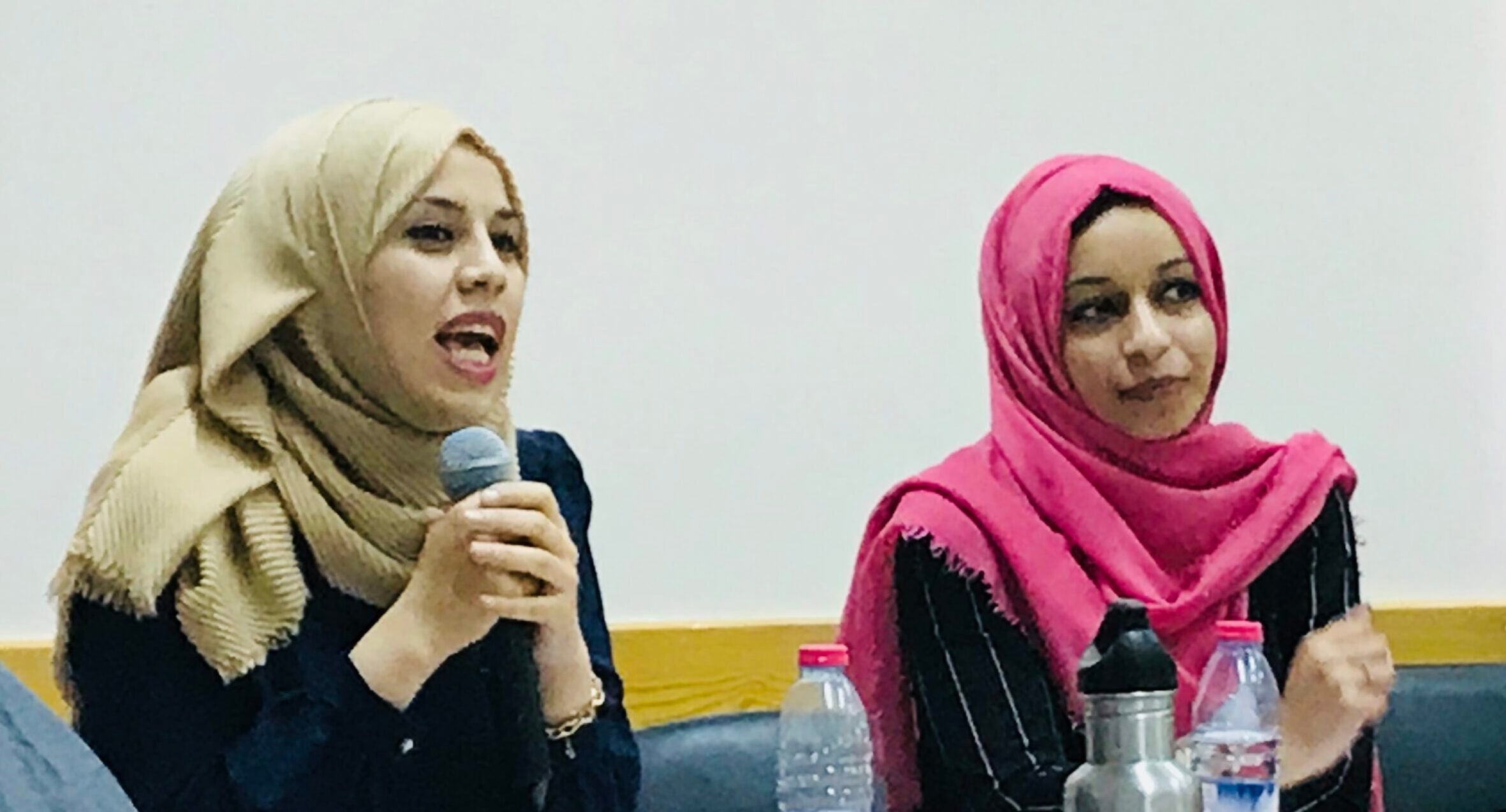
In July 2023, the Palestine Program for Health and Human Rights hosted its inaugural Palestine Social Medicine Course at the Institute of Community and Public Health at Birzeit University in partnership with the World Health Organization – office for the occupied Palestinian territory. The overall objective of the course was to develop critical engagement with and understanding of the social and structural drivers of health in Palestinian society.
Course Objectives
The course was designed to achieve the following core objectives:
● Educate health professional students on the social and structural determinants of health in Palestine, with a focus on real-world examples of barriers to care and strategies for their mitigation or resolution.
● Foster an appreciation for historically grounded and geographically expansive approaches to understanding the complexity of health inequities in Palestine.
● Introduce core lessons from established social medicine courses around the world, emphasizing the importance of:
○ Building equitable partnerships
○ Embracing discomfort as a catalyst for growth
○ Linking critical reflection with action through praxis
○ Cultivating intentional community
● Develop a growing network of structurally competent health professionals committed to addressing health inequities locally, nationally, and globally.
In August 2024, the program hosted the Second Annual Palestine Social Medicine Course in Amman, Jordan, in collaboration with the World Health Organization – office for the occupied Palestinian territory. A total of 28 students from the United States and the Middle East and North Africa (MENA) region participated in the course. The U.S.-based participants included students and professionals from fields such as medicine, public health, and anthropology. The MENA cohort included students from Palestine, Israel, Jordan, Lebanon, Egypt, Tunisia, and Morocco.