
Program on Immigrant Families and Unhoused Communities
About the program
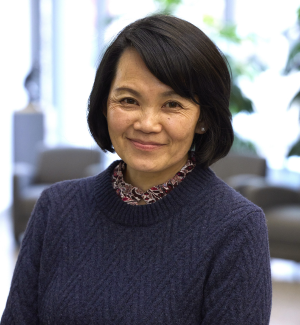
This work includes a new Partnership for Community Mental Health and Immigrant Wellbeing, co-led by Dr. Maggie Sullivan and Dr. Jocelyn Chu. The Partnership aims to better understand the local landscape of community mental health supports for immigrants, grow academic-community collaborations to support immigrant mental health, and create mutually beneficial learning opportunities for public health students and immigrant-serving organizations.
The Program includes a course on health and homelessness, one of the few such graduate-level public health courses, co-taught by Dr. Sullivan and Dr. Jill Roncarati; collaborative research in immigrant health; and student mentorship.
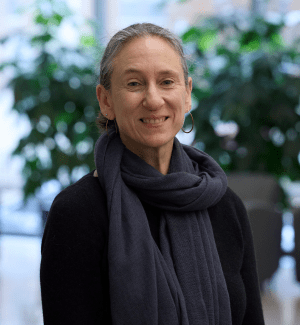
The FXB Center for Health and Human Rights Program on Immigrant Families and Unhoused Communities is led by Dr. Margaret Sullivan, FNP-BC, DrPH, FAAN, a Distinguished Fellow of the National Academies of Practice (NAP) in Nursing, and a Fellow of the American Academy of Nursing (FAAN). Trained as a family nurse practitioner, Dr. Sullivan brings two decades of experience serving immigrants and unhoused populations in primary care settings. She also co-advises the Harvard Students Human Rights Collaborative and conducts forensic medical evaluations for asylum with Harvard Medical School’s Asylum Clinic.
Learn more from Dr. Maggie Sullivan (Program Director):
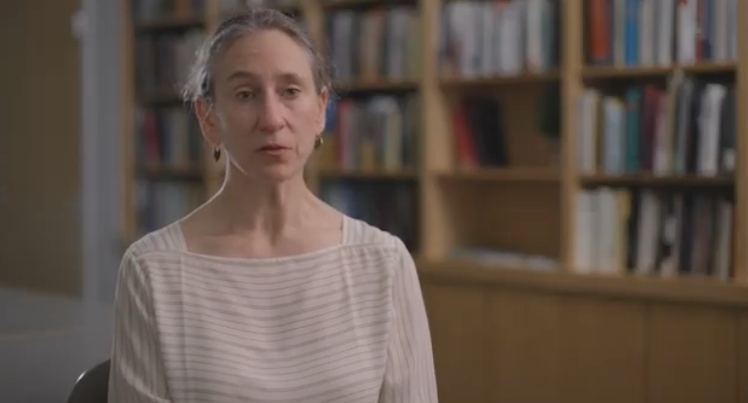 Watch a video about the FXB Center Program on Immigrant Families and Unhoused Communities
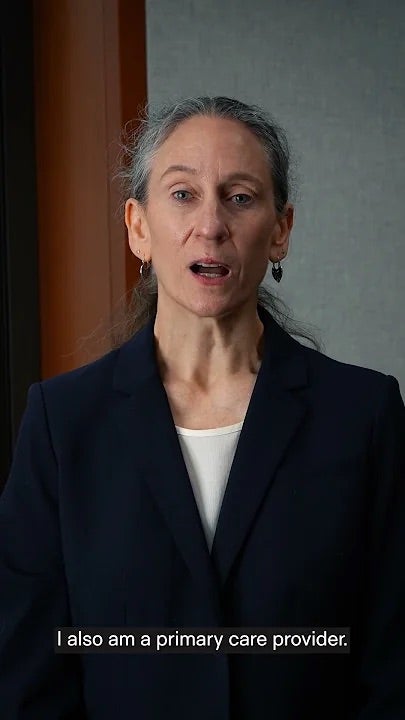 Watch a video about Immigration Policy and Immigrant Health Outcomes
Immigrant Mental Health Services in Greater Boston: A Landscape Review
Authors: Jessica Santos, Danielle Chun, Margaret M. Sullivan, Luke Testa, Jocelyn Chu, Milka Ashine, Siddiqua Shuma

Testimony for Act Establishing Fairness for Agricultural Laborers
Author: Margaret M. Sullivan
For more information about her prior testimony on a different bill related to immigrant health, please click here.

Approaching pediatric mental health screening and care in immigration detention
Authors: Shela Sridhar, Leah Ratner, Matthew G. gartland, Dennis Kunichoff, Margaret M. Sullivan, Vasileia Digidiki

Immigration-Informed Pregnancy Care: A Call to Action
Authors: Rachel K. Feldman, Margaret M. Sullivan, Rose L. Molina

Hero Pagination
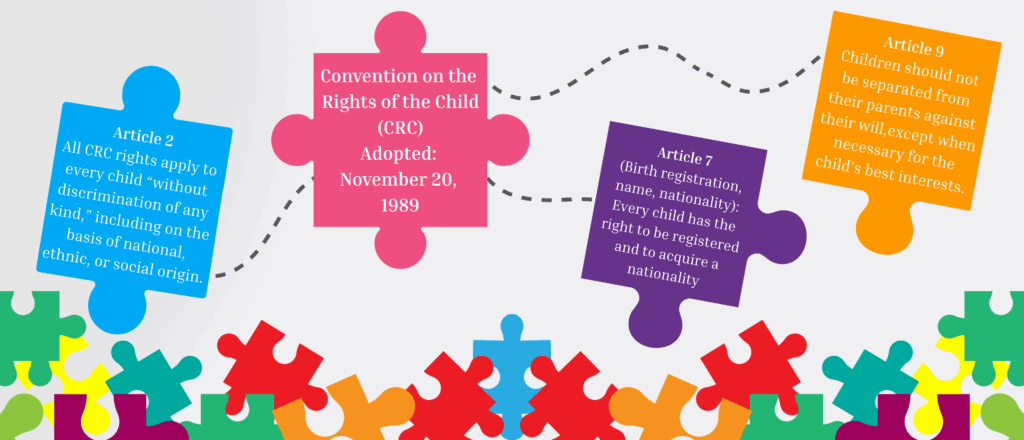
The Convention on the Rights of the Child (CRC), which was adopted by the United Nations General Assembly resolution 44/25 on November 20, 1989, serve as a crosscutting framework for our work. Articles of particular relevance to FXB’s Program on Immigrant Families and Unhoused Communities are:
Meet the faculty lead
Programmatic areas
Ongoing Research
Partnership for Community Mental Health and Immigrant Well-being Recent Publications
On the passage of US legislation cutting Medicaid: a missive from the “safety net”, The Lancet Regional Health – Americas, July 25, 2025 Margaret M. Sullivan (Author)
Immigration-Informed Pregnancy Care: A Call to Action, BJOG: An International Journal of Obstetrics and Gynaecology, April 21, 2025 Margaret Sullivan (Co-Author)
Posture, proximity, and positionality: The power of community engaged service-learning in public health leadership education, Frontiers in Public Health, June 12, 2025 Jocelyn Chu (Co-Author)
Approaching pediatric mental health screening and care in immigration detention, The Lancet Regional Health – Americas, March 3, 2025 Dennis Kunichoff, Margaret M. Sullivan, Vasileia Digidiki (Co-Authors)
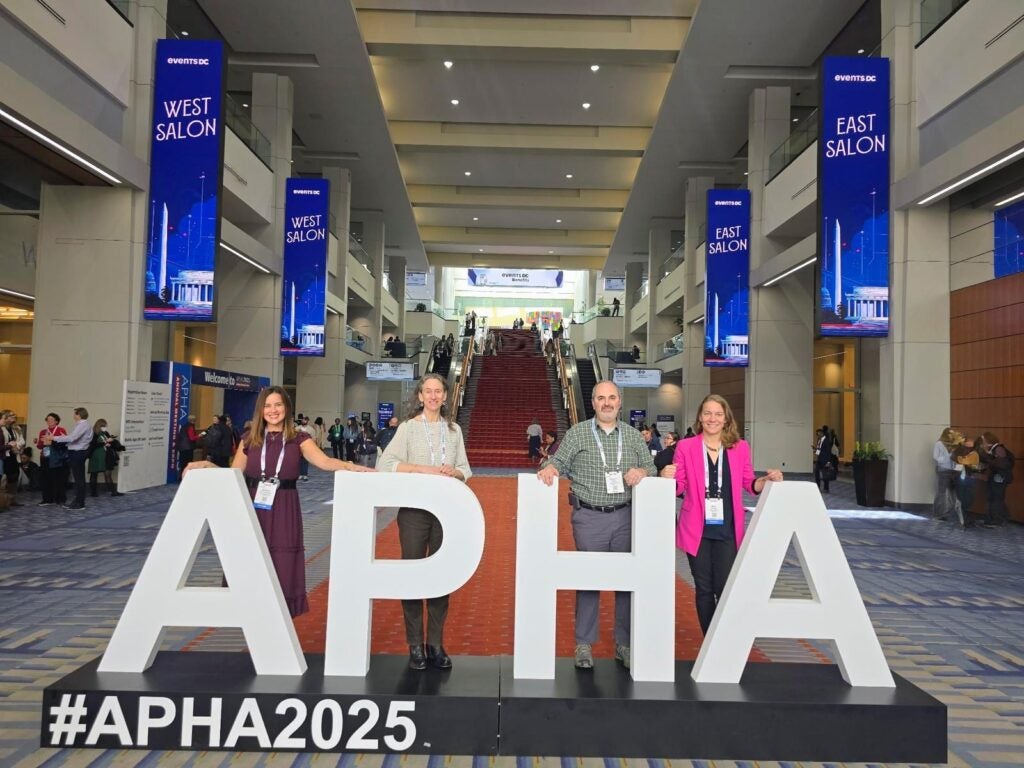
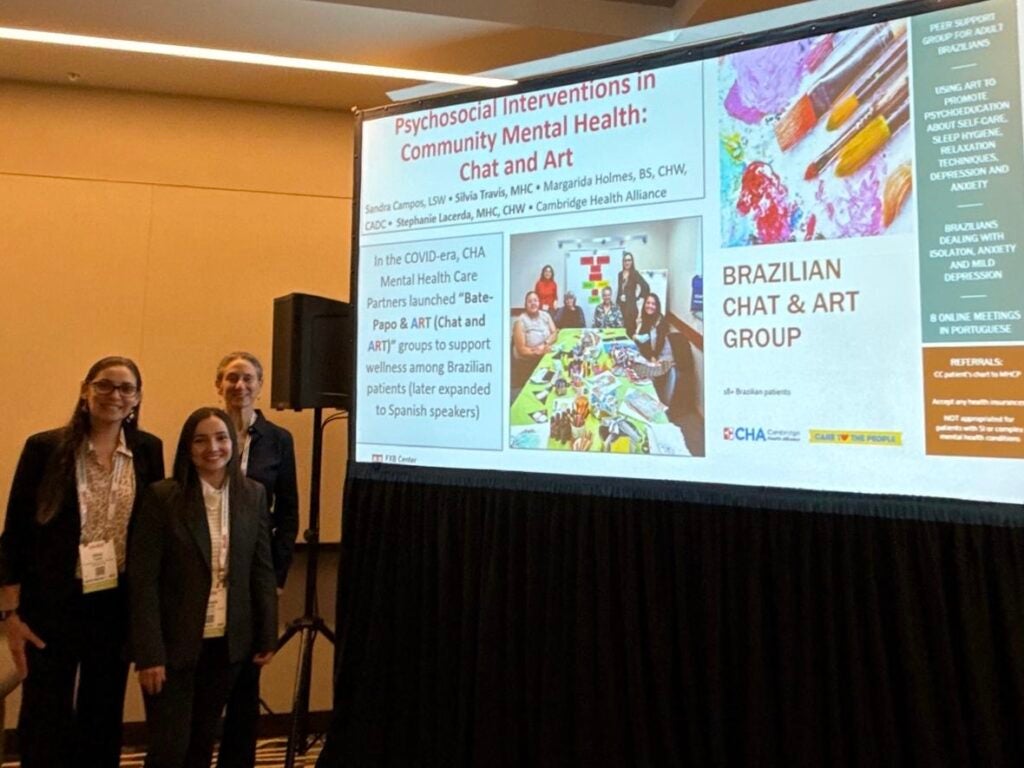
APHA 2025
Numerous barriers persist including stigma, disproportionately low numbers of bilingual/bicultural behavioral health providers, long wait times, limited insurance eligibility, and competing priorities (i.e. employment, housing, legal matters).
The session explored how new models for psychosocial interventions at the community level are needed to increase access, language concordance, culturally sensitive approaches, and targeted referrals to higher levels of care. Such models of care might varyingly incorporate language-based support groups, non-clinical and culturally relevant healing techniques (i.e. music and art), peer counseling, and participant eligibility regardless of primary care affiliation or not having a known behavioral health diagnosis. These examples prioritize skill-building, social cohesion, psychosocial wellness and accessibility outside of the traditional medical system.
Select past events
Thursday, October 30, 2025 | 1:00 pm – 3:00 pm ET | Main talk in Kresge 200, Q&A in Jonathan M. Mann Conference Room (FXB Building, 7th Floor, 651 Huntington Ave, Boston, MA). Harvard ID required.
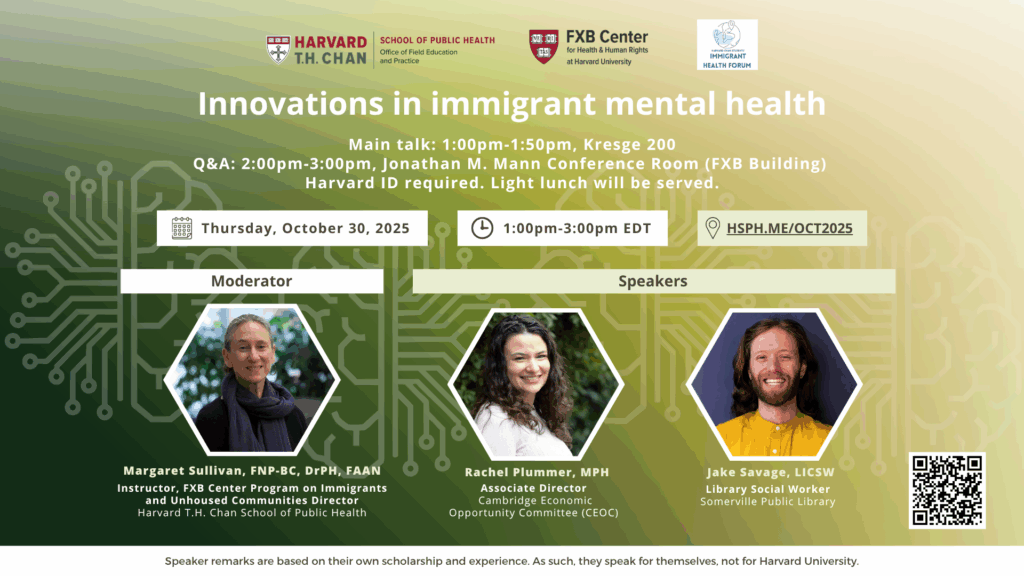
The Partnership for Community Mental Health and Immigrant Well-being hosted colleagues from the Cambridge Economic Opportunity Committee and the Somerville Public Library to learn about innovative ways in which community-based programs and services are addressing the mental health and wellbeing of immigrants. The Partnerships for Community Mental Health and Immigrant Well-being initiative is cohosted by the FXB Center for Health and Human Rights and the Office of Field Education and Practice. This project aims to examine the mental healthcare landscape in Massachusetts and learn from immigrant-led, culturally rooted, community-based approaches to mental health.
Tuesday, April 22, 2025 | 1:00 pm – 2:00 pm ET | Zoom and Jonathan M. Mann Conference Room (FXB Building, 7th Floor, 651 Huntington Ave, Boston, MA). Harvard ID required.
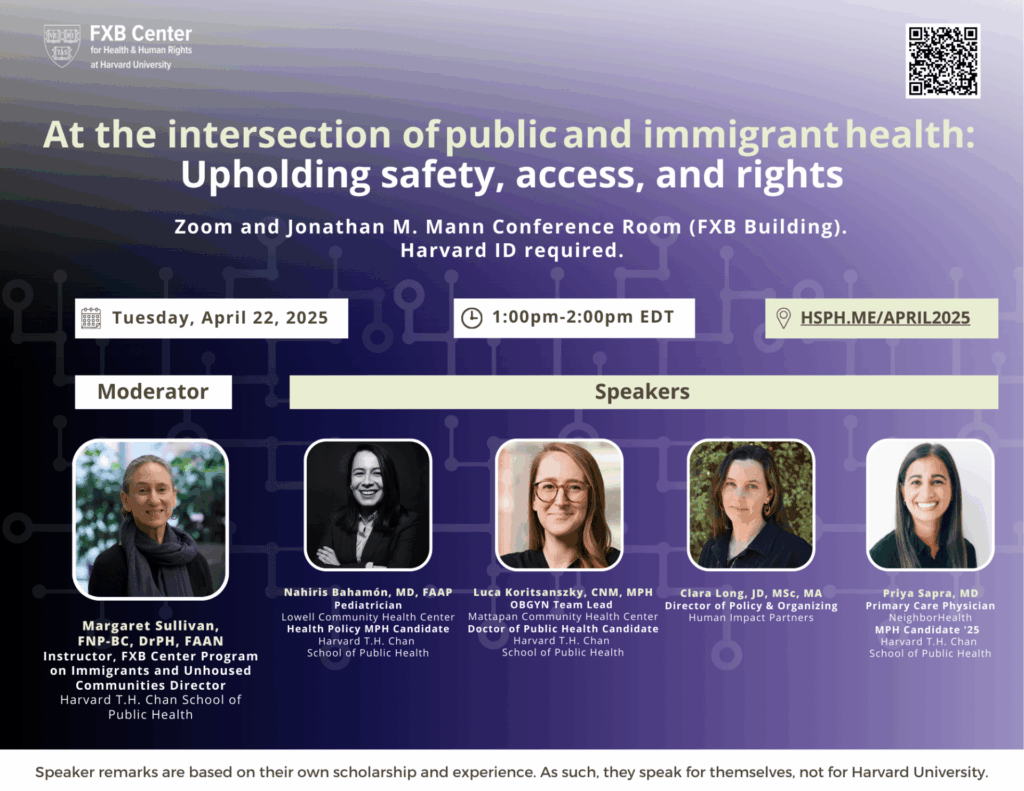
During this intimate, in-person conversation, Director of the FXB Center Program on Immigrant Families and Unhoused Communities, Margaret (Maggie) Sullivan, FNP-BC, DrPH, FAAN discussed with invited guests Nahiris M. Bahamón, MD, FAAP, Luca Koritsanszky, CNM, WHNP-BC, MPH, and Clara Long, JD, MSc, MA. Given their work with community organizations, they each brought a complementary perspective to the issue of safeguarding access to healthcare, protection of human rights, and the safety of community members in precarious situations.
Thursday, March 6, 2025 | Main talk from 1:00pm-2:00pm EST at Harvard T.H. Chan School of Public Health |
The conversation continued at FXB’s Jonathan M. Mann Conference Room
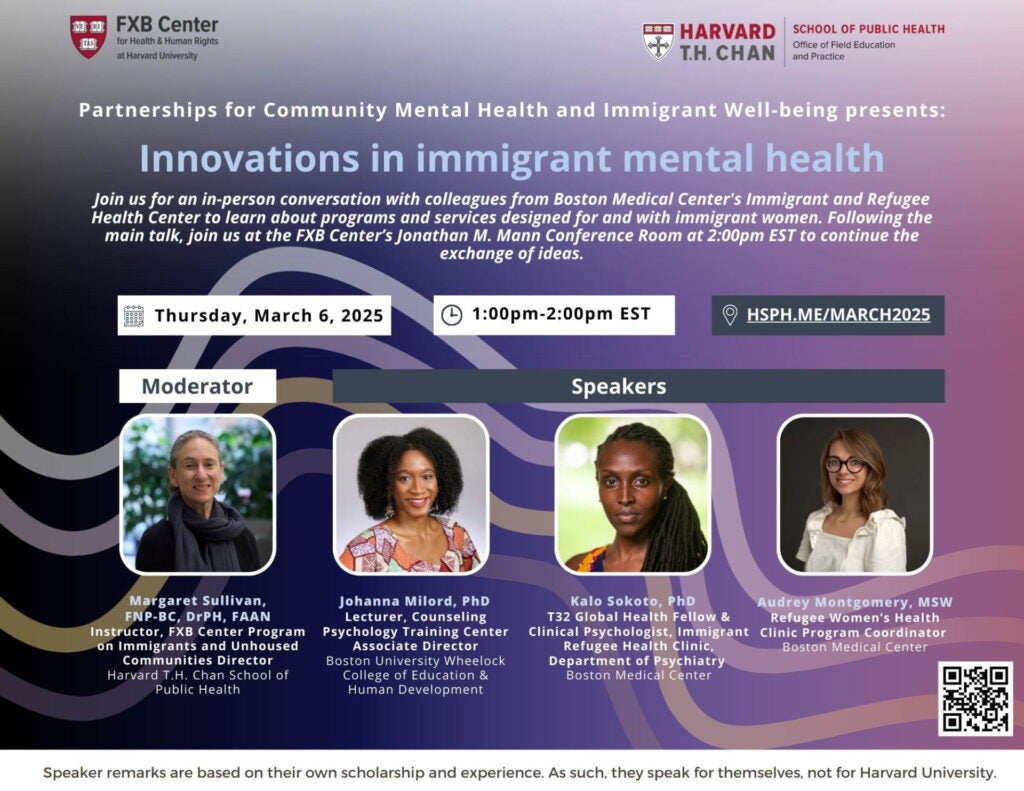
The Partnership for Community Mental Health and Immigrant Well-being hosted a conversation with colleagues from Boston Medical Center’s Immigrant and Refugee Health Center to learn about programs and services designed for and with immigrant women.
Monday, October 28, 2024 | 1:00pm-2:00pm ET at Harvard T.H. Chan School of Public Health |
Q&A session with Jessica Santos and Danielle Chun from 2:00-3:00pm ET at FXB ’s Jonathan M. Mann Conference Room
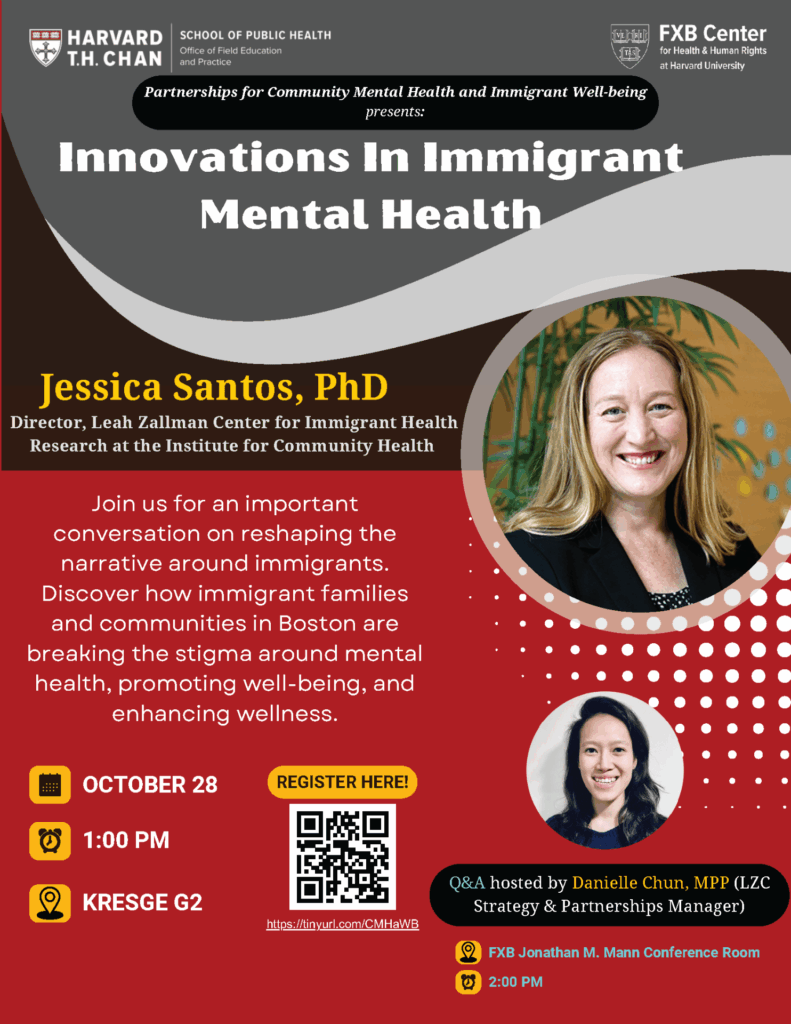
The Partnership for Community Mental Health and Immigrant Well-being organized an important conversation on reshaping the narrative around immigrants aiming to show how immigrant families and communities in Boston are breaking the stigma around mental health, promoting well-being, and enhancing wellness.