

Roma Program for Health and Human Rights
Mapping Romani futures: Connected local histories and global realities


Slavery in Moldova and Wallachia: Silences, Memory, and Resistance

Fostering Strength: Romani Feminist Leadership for Climate Justice


Hero Pagination
About the program
A central focus of the Roma Program is documenting patterns of structural, political, environmental, and social inequities and how they shape Romani children and youth’s access to education, health, training, work, and civic life. Our research has analyzed how experiences of major and everyday discrimination in schools, broader social inequities, and school segregation shape access to higher education, career aspirations, and future choices. The Roma Program faculty have studied the social ecology of young Roma children, including in works such as the monograph Social ecology of young Romani children: risk and protective factors for their development. A case study on Romania (2014).
The program has also contributed to broadening the scope of Romani Studies beyond Europe, by spearheading research initiatives in the Americas. In addition, the Roma Program faculty have been key collaborators in the drafting of resolutions that were later adopted by the Council of Europe (2023) and the United States Senate (2022). In the case of the U.S. Senate, this was the first bipartisan resolution recognizing and honoring Romani Americans’ heritage and history.
Our Roma Program aims to co-center Romani Studies within global academia, moving it away from the margins of social, cultural, and political theory. We seek to put the study of anti-Roma racism on academic and policy agendas in the Americas and Europe by conducting research, producing knowledge, convenings, and amplifying the voices of leading and early-career Romani scholars and leaders through training, mentoring, and collaborative research projects.
The Roma Program provides space for global solidarity among racialized and marginalized populations across the world, drawing on relational and similar histories and realities of oppression as focal points for inquiry and discussion. The goal is to harness mutual support, learning, and cooperation among scholars from different geographies and fields of study.
In the FXB Center’s work with Romani people, we have implemented research and capacity-strengthening which: advances scholarly and policy engagement with the rights, voices, and participation of Romani children and adolescents; examines manifestations of anti-Roma racism; critically examines past and present state-sponsored violence against Romani people; and integrates Roma rights into academic, policy, and public agendas.
We also work closely with young people and scholars—both Roma and non-Roma—to enhance knowledge and skills for conducting research ethically and professionally, with cultural sensitivity and meaningful community participation.
Videos:
 The Permanence of Anti-Roma Racism – Book Launch, hosted by CHANIPEN Research, Memory and Justice
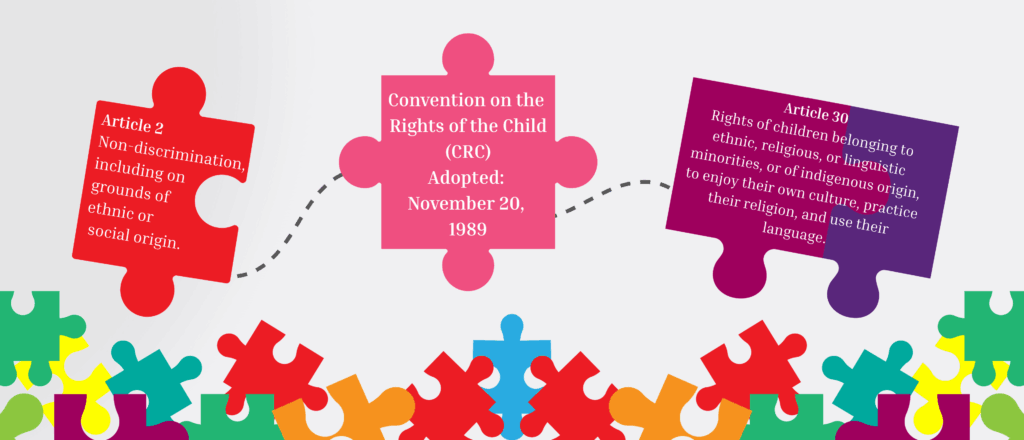
The Convention on the Rights of the Child (CRC), which was adopted by the United Nations General Assembly resolution 44/25 on November 20, 1989, serve as a crosscutting framework for our work. Articles of particular relevance to FXB’s Roma Program for Health and Human Rights are:
Meet the team


Our work
Ongoing research
Program highlights
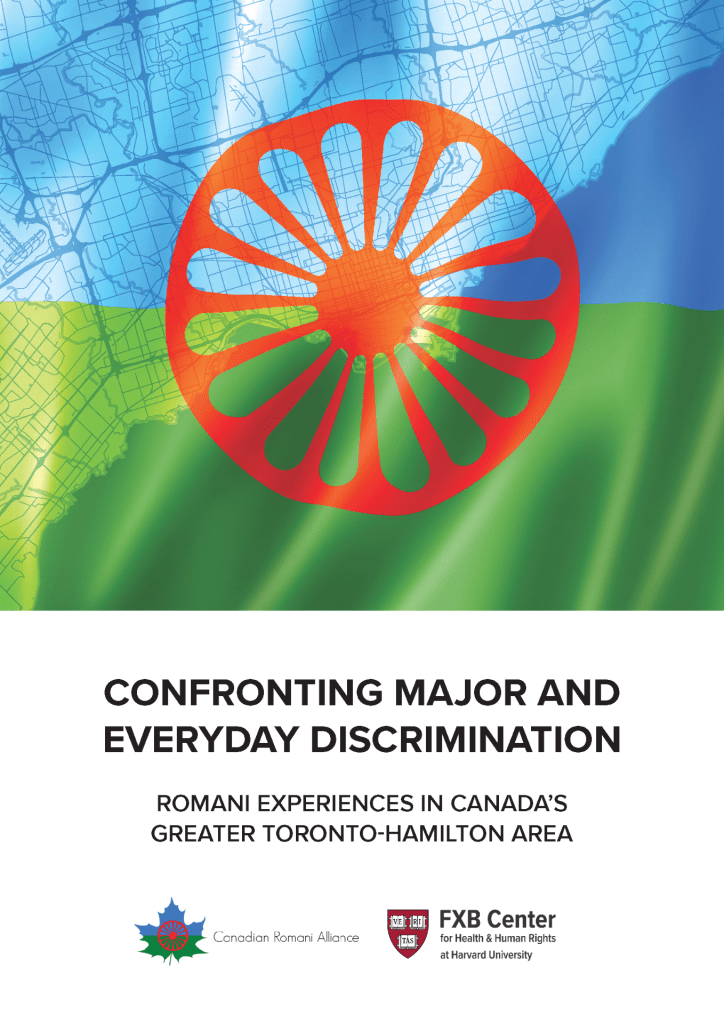
The FXB Center, in partnership with the Canadian Romani Alliance, completed a groundbreaking qualitative study involving middle-class and working-class Romani and non-Romani people in the Greater Toronto-Hamilton Area (GTHA), Canada, a region known as the area with the largest and most diverse Romani population in Canada. Instead of focusing solely on anti-Roma discrimination or poverty, as has been the case for much of the European research to date, this project proposed to incorporate other contemporary conceptualizations of exclusion, in particular, the concepts of stigma and every day discrimination. This approach has the potential to unlock new understandings of the manifestations of racial injustice, and related remedies.
Select events
Friday, April 4, 2025 | 12:30pm – 6:15pm EDT | Smith Campus Center (Harvard University) and online
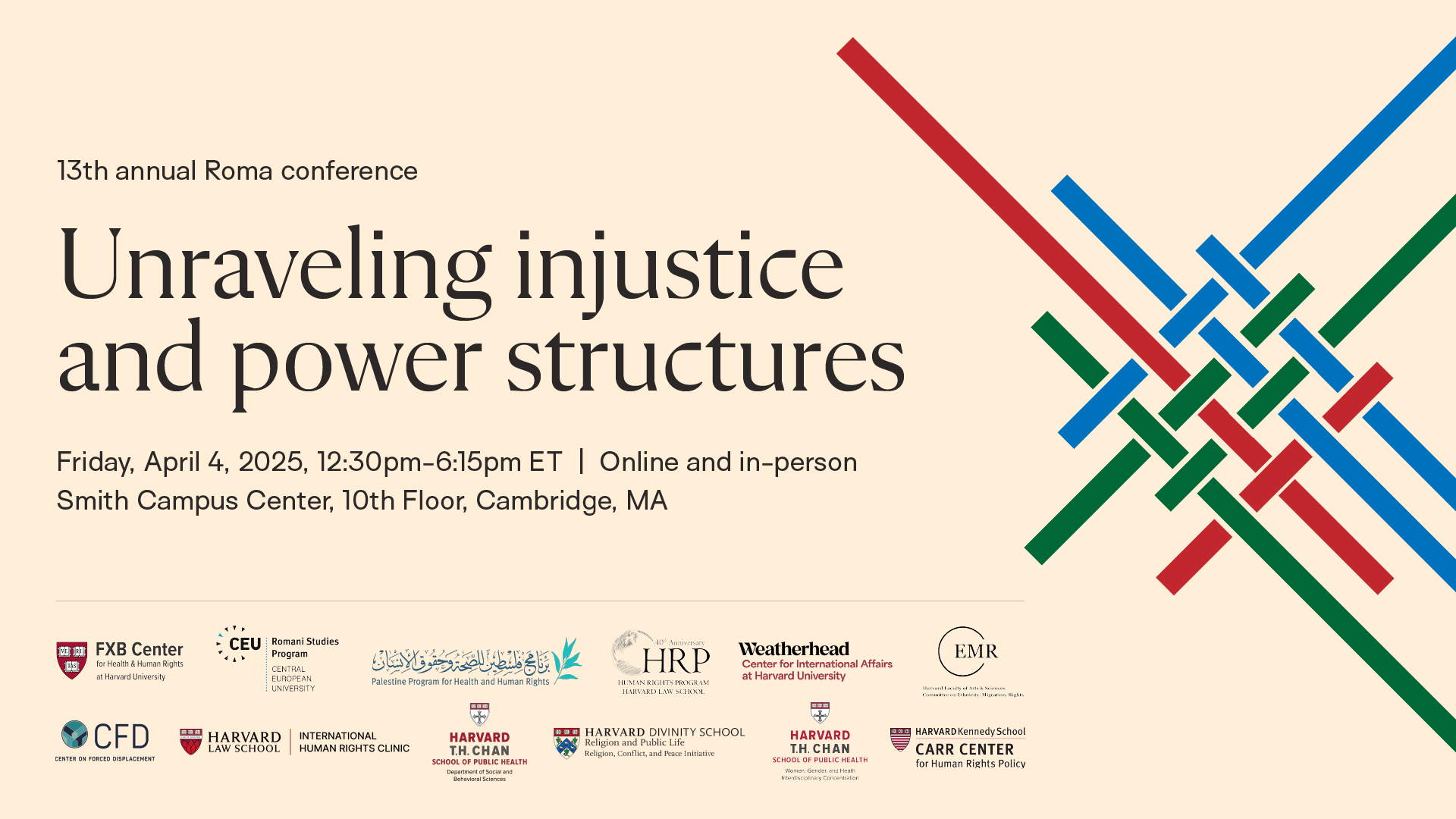
In partnership with the Romani Studies Program at Central European University, the Center on Forced Displacement at Boston University, the Department of Social and Behavioral Sciences Diversity, Inclusion, and Belonging Committee and the Women, Gender, and Health (WGH) Concentration and Working Group at the Harvard T.H. Chan School of Public Health, the Carr Center for Human Rights Policy at the Harvard Kennedy School, the Harvard University Committee on Ethnicity, Migration, Rights (EMR), the Weatherhead Center for International Affairs at Harvard University, the Religion, Conflict, and Peace Initiative at the Harvard Divinity School, the Palestine Program for Health and Human Rights, the International Human Rights Clinic at the Harvard Law School, and the Human Rights Program at Harvard Law School, the Roma Program for Health and Human Rights at the FXB Center for Health and Human Rights will host a free, hybrid format conference at Harvard University’s Smith Campus Center (10th Floor) on Friday, April 4, 2025.
Since 2013, the annual Roma conference at Harvard University has served as a forum to examine and address anti-Roma racism, its genesis, history, pillars, and manifestations worldwide. We have aimed to improve the collection of data related to the Roma people, enhance research methods, focus on action-oriented research, and revisit and inform the histories, policies, and practices concerning Roma people. Furthermore, the Harvard Roma conference has actively sought to elevate and co-center the voices and experiences of Roma people within global scholarship. It has fostered discussions on anti-racism, reparations, solidarity, and justice-oriented solutions and emphasized the importance of solidarity among historically oppressed communities.
Friday, October 11, 2024 | 1:00pm – 2:00pm ET | Zoom
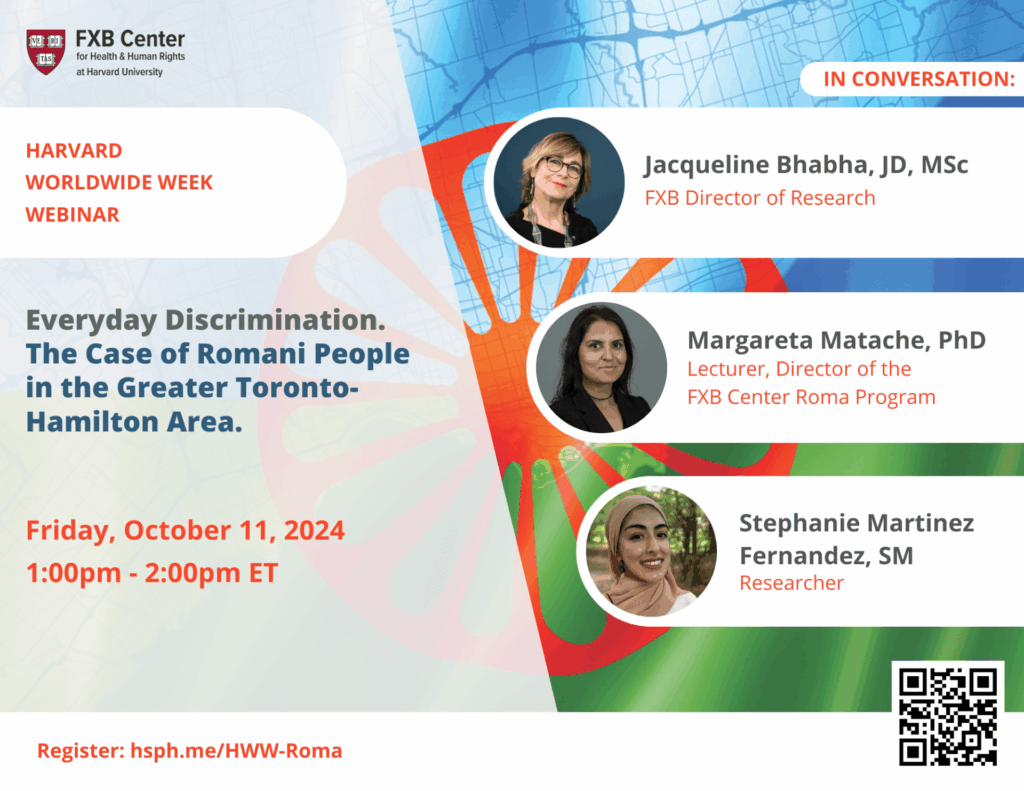
During Harvard’s annual Worldwide Week, the Roma Program for Health and Human Rights at Harvard’s FXB Center organized a virtual discussion of the program’s 2024 report titled “Confronting Major and Everyday Discrimination. Romani Experiences in Canada’s Greater Toronto-Hamilton Area.” The FXB Center, in partnership with the Canadian Romani Alliance, launched a qualitative study involving middle-class and working-class Romani and non-Romani people in the Greater Toronto-Hamilton Area (GTHA), a region known as the area with the largest and most diverse Romani population in Canada. This study attempted to explore the realities and the struggles of Canadian Romani people who experience stigma and everyday discrimination, the types of stigma and discriminatory incidents they face, and the downstream consequences of stigma.
Recent Publications
Foreword: Racialized Slavery in Moldavia and Wallachia: Legacies and Silences, Critical Romani Studies, November 25, Margareta Matache (Author)
Translational social medicine for global health: introducing Cases in Global Social Medicine, The Lancet, November 15, Margareta Matache (Co-Author)
Education and Selection into Ethnic Identification, National Bureau of Economic Research (NBER) Working Paper 34383, October 2025, Margareta Matache (Co-Author)
Confronting Major and Everyday Discrimination.Romani Experiences in Canada’s Greater Toronto-Hamilton Area. Study Contributors: FXB Center for Health and Human Rights: Stephanie Martinez-Fernandez, Edita Rigova, Margareta Matache, Aqil Arif Merchant, Keisha Bush, Jacqueline Bhabha. Canadian Romani Alliance: Gina Csanyi-Robah (Executive Director), Shayna Plaut (Board Member).
Rain of Ash: Roma, Jews, and the Holocaust. Ari Joskowicz, Holocaust and Genocide Studies, March 1, Margareta Matache (Book Review Author)
Towards anti-racist policies and strategies to reduce poor health outcomes in racialised communities: introducing the O’Neill–Lancet Commission on Racism, Structural Discrimination, and Global Health, The Lancet, May 18, 2023. Margareta Matache (Co-Author)
Recent Press
170 Years After Slavery, “Roma Did Not Gain Freedom from Racism. (Margareta Matache quoted, European Roma Rights Centre, February 20, 2026)
Research, Memory and Justice (Margareta Matache interviewed, CHANIPEN [Video podcast], February 20, 2026)
Magda Matache: The Permanence of Anti-Roma Racism (Un)uttered Sentences (Margareta Matache interviewed, Romanistan [Audio podcast], January 6, 2026)
New Books by Harvard Authors (Margareta Matache’s The Permanence of Anti-Roma Racism: (Un)uttered Sentences listed, Harvard Magazine, December 10, 2025)
Why are “Gypsies” so hated? | A Romani Perspective (Margareta Matache interviewed by Florian Tacorian, History and Culture [Video podcast], December 8, 2025)
The Endurance of Anti-Roma Racism (Margareta Matache authored, Foreign Policy in Focus, December 8, 2025)
Canadian Roma: A People Uncounted (FXB Roma Program report profiled, Travellers Times, September 5, 2025)
Society for Romanian Studies Newsletter (Margareta Matache mentioned, May 2025)
Conference explores injustices against Roma people, other groups (Roma Program conference summarized, Harvard T.H. Chan School of Public Health News, April 17, 2025)
Opinion: Romani people face racist tropes that must be curbed (Margareta Matache quoted, Harvard T.H. Chan School of Public Health News, February 26, 2025)
Allowing racist tropes about Romani people to persist is dangerous (Margareta Matache authored, Al Jazeera, February 22, 2025)
Measuring anti-Romani discrimination in Canada (FXB Roma Program report overview, Harvard T.H. Chan School of Public Health In the News 2024, October 23, 2024)
Graduation 2024: Award winners, Margareta Matache mentioned, Harvard T.H. Chan School of Public Health Featured News Stories 2024, May 21, 2024
Building solidarity to face global injustice (Mary Bassett, Natalia Linos, Margareta Matache quoted, Harvard T.H. Chan School of Public Health Featured News Stories 2024, April 24, 2024)
Who Are the Roma People? A History of Persecution, Displacement, and Resistance (Margareta Matache quoted, Teen Vogue, April 8, 2024)
CEU Marks 20th Anniversary of Roma Access Programs with Conference (FXB Center mentioned, Mirage.News, April 5, 2024)
Gadjoness: An Uncounted Shade of Whiteness, (Margareta Matache co-authored, The Funambulist, July 3, 2023)
The invisible minority: how anti-Roma racism fuels health disparities (Margareta Matache interviewed, Harvard Public Health, April 25, 2023)
Health justice lawyer Priti Krishtel, 4 other US experts named to commission addressing racism, health discrimination (Margareta Matache quoted, Eastern Eye, February 13, 2023)
Five U.S. Experts Named to New Global Commission Elevating Solutions to Address Racism and Structural Discrimination in Health (Margareta Matache quoted, O’Neill Institute for National and Global Health Law Press Release, February 9, 2023)
The Roma Artist Sewing a New History for Her People (Margareta Matache quoted, The New York Times, February 7, 2023)